


When it rains, the first thing people notice is how the ground reacts. Some surfaces dry quickly. Others hold water and become uncomfortable to use. Artificial grass often raises questions for this reason. People want to know if water stays on the surface or drains away properly. In this blog, we will look at how does artificial grass drain.
How Does Artificial Grass Drainage Works
Artificial Grass vs. Real Grass Drainage
Common Causes of Poor Artificial Turf Drainage
Tips to Maximise Turf Drainage
How Does Artificial Grass Drainage Works
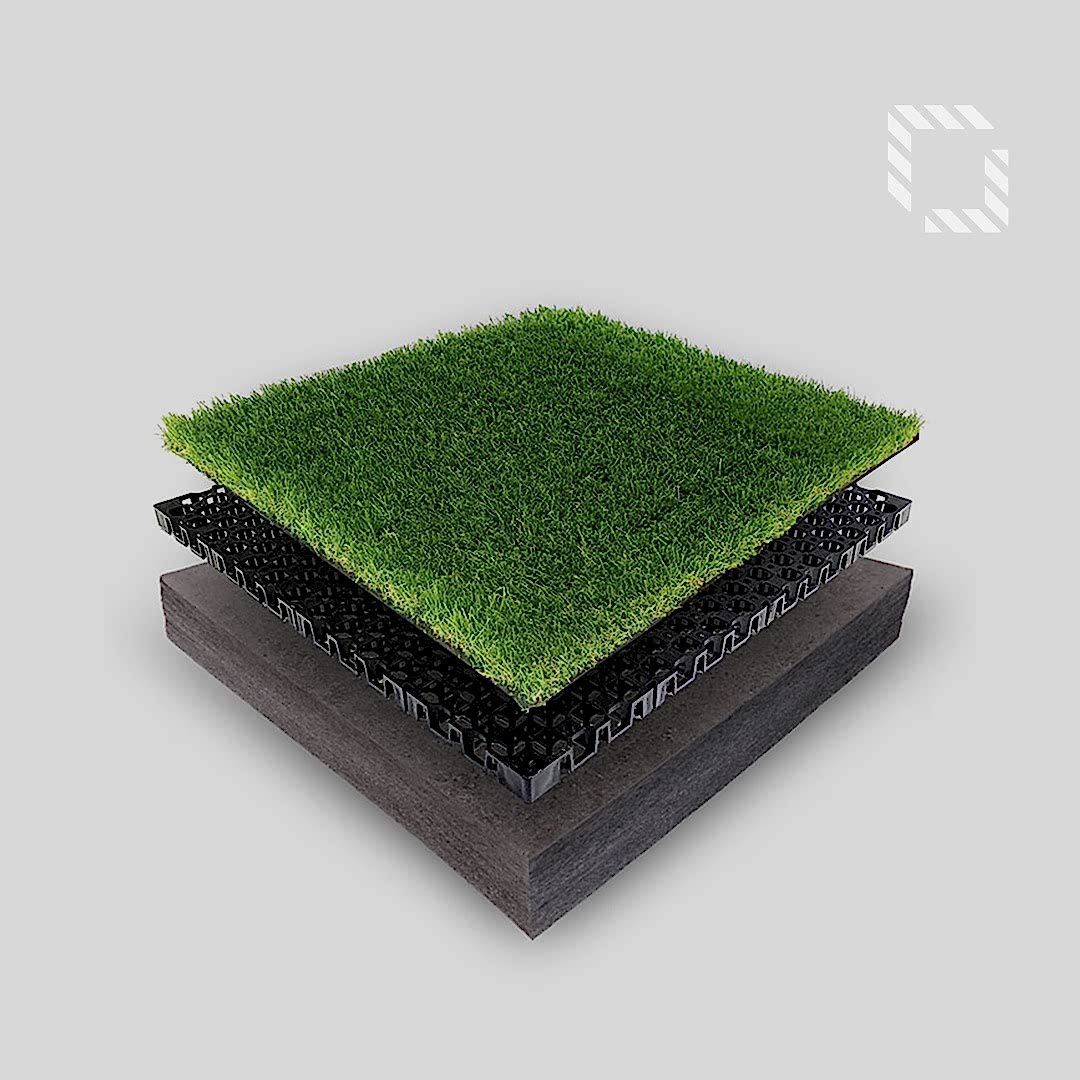
Artificial grass handles water in a very straightforward way. It lets it pass through. The turf backing has small holes spread across the base. When rain hits the surface, water moves between the fibers, goes through these holes, and reaches the layers below.
To really understand how does artificial grass drain, you need to think beyond the grass itself. The ground underneath matters just as much. Installers usually build a base using crushed stone or gravel and compact it well. This layer gives water room to move instead of stopping it. When this part is done right, water drains quickly and the surface dries without delay.

Artificial Grass vs. Real Grass Drainage
- Drainage speed and rate: Artificial grass reacts to rain in a very straightforward way. Water falls, passes through the surface, and disappears quickly. Depending on the product, drainage rates can sit anywhere between 30 and 1,200 inches per hour, which is why the surface clears so fast. Real grass works more slowly. Water needs time to soak into the soil. In most cases drainage stays closer to 5 to 20 inches per hour, especially when the ground is used often.
- Maintenance needs: Once artificial grass is installed, drainage does not really ask for attention. There is no soil to loosen and no aeration to plan around. Real grass is different. To keep water moving, the soil needs regular aeration and care, otherwise it slowly tightens up and starts holding moisture.
- Performance in rain: After rainfall, artificial grass usually feels ready to use again without much waiting. The surface stays firm and clean underfoot. Real grass can be less reliable. Sometimes it handles rain well, other times it turns muddy and needs time before it feels comfortable again.
Common Causes of Poor Artificial Turf Drainage
When artificial grass does not drain well, the problem is rarely the turf itself. Most issues start during installation.
- The ground underneath is not always as even as it should be. You may not notice it at first, but after rain water tends to sit in the same small areas.
- In some cases, the base is rushed during installation. Over time it settles unevenly, and water stops moving as freely as it should.
- The material below the turf matters more than people expect. If it holds water instead of letting it pass through, drainage slows down no matter how good the grass looks.
- Slope is often forgotten because it is subtle. Still, even a slight slope helps guide water away, and without its drainage feels weaker.
- As time passes, leaves and fine dirt build up on the surface. This does not seem important at first, but it can quietly reduce drainage performance.
Tips to Maximise Turf Drainage
Good drainage starts before the grass is laid. A properly prepared base makes a noticeable difference from day one. Using the right aggregate, compacting it evenly, and making sure the surface is level helps water move naturally. Small design choices matter too. A gentle slope is often enough to guide water away without being visible. After installation, simple habits help keep things working. Clearing leaves and debris from the surface prevents blockage and keeps water flowing freely.
Understanding how does artificial grass drain helps set the right expectations and leads to better long-term results. If you need advice on artificial grass solutions or professional installation support, you can contact Ilke Sport for guidance tailored to your space and conditions.
If this topic interests you, you may also want to explore our blog, “4 Drainage Problems Solved by Artificial Grass Across the World.”
FAQ
Artificial grass performs well in heavy rain when installed on a proper base, as water passes through the surface instead of pooling and the area stays usable.
Artificial grass drains efficiently through its backing and base layers, allowing water to move away quickly rather than sit on the surface.
Artificial grass allows water to flow through drainage holes in its backing and into the subbase below, where it spreads and drains away.