


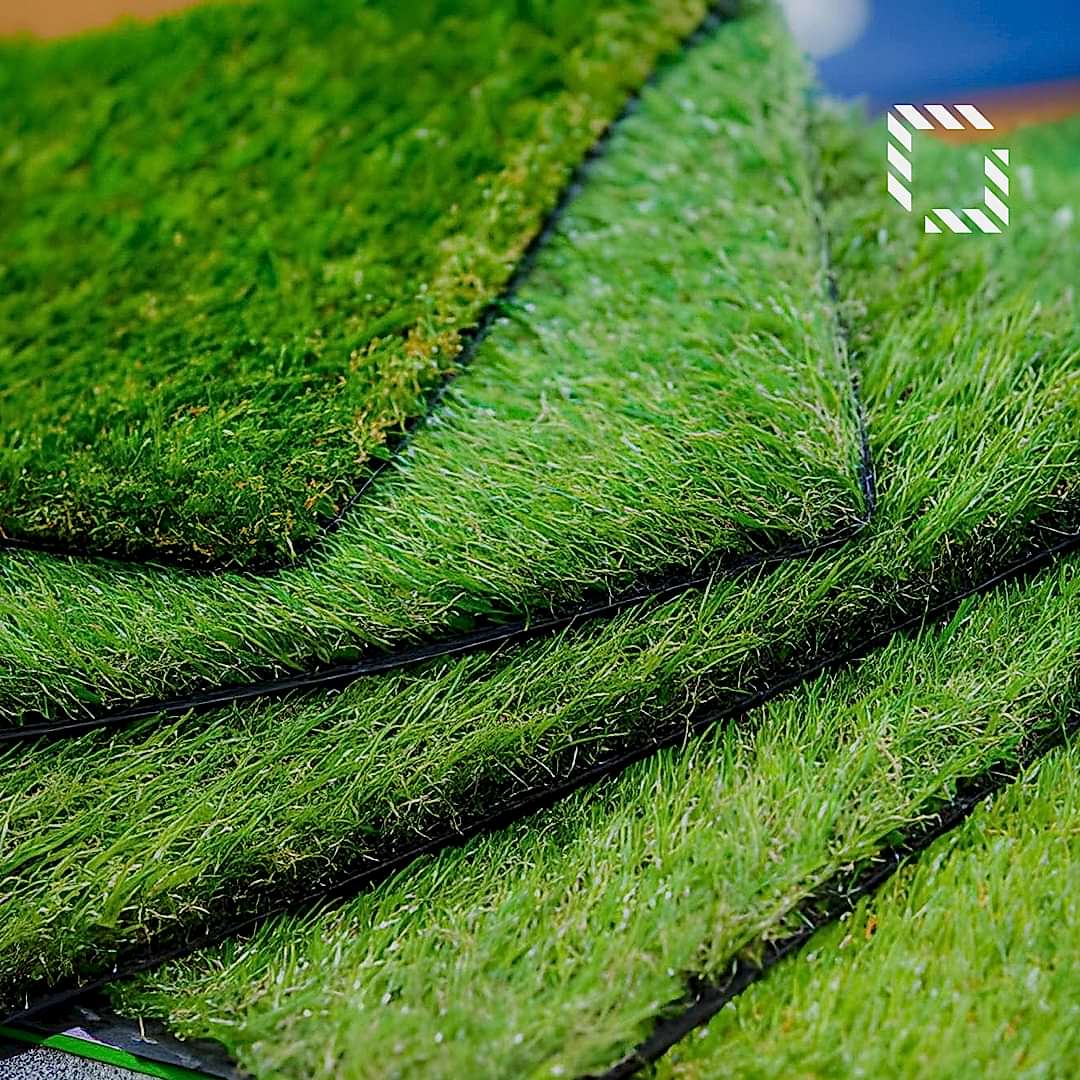
Some outdoor areas need strength. Others need a natural look. Many gardens need both. When planning these spaces, homeowners often wonder about combining different surfaces. In this blog post, we explore “Can you lay artificial grass next to real turf?” and what makes this approach work in real gardens.
Can You Combine Artificial and Natural Grass?
The Pros and Cons of Mixing Artificial and Natural Grass
Key Considerations Before Installation
- FAQ
Can You Combine Artificial and Natural Grass?
Many outdoor spaces already use both surfaces without calling attention to the mix. Artificial grass usually appears where people walk, sit, or spend time every day. Natural grass stays in parts of the garden that already grow well and do not suffer from constant use.
The main concern usually involves appearance. Clean edges, level surfaces, and proper groundwork allow both materials to sit side by side without looking forced. Ilke Sport products are developed to maintain their shape and color, which helps create smooth transitions between surfaces.

The Pros and Cons of Mixing Artificial and Natural Grass
Mixing surfaces does not simplify decisions. It actually forces more of them. But when each choice has a reason, the result feels balanced instead of messy.
Pros
Artificial grass protects the parts of the garden that take the most stress. Natural grass softens the space and keeps it connected to plants, trees, and soil. Used together, they reduce damage without stripping the garden of its natural character.
Cons
Natural grass changes. It grows, thins out, and reacts to weather. Artificial grass does not. If the groundwork is rushed, that difference becomes obvious. Most problems come from poor preparation rather than the idea itself.
Key Considerations Before Installation
Drainage plays a quiet but important role when artificial and natural grass meet. Natural grass needs soil that releases water without turning soft, while artificial turf depends on a firm base that lets water pass through instead of pooling underneath. If this balance is ignored, the transition starts to fail long before the grass itself does.
Visual consistency also matters. Artificial grass keeps its colour and shape all year. Natural grass does not offer the same margin for error. Even a short break in watering or uneven sunlight can change how it looks. When both surfaces sit side by side, that contrast becomes easier to notice, which is why planning ahead makes such a difference.
If you need more information you can contact to Ilke Sport for tailored solutions and expert support.
FAQ
Mixing turf and natural grass works well when each surface serves a purpose, such as using turf in high-traffic areas and keeping natural grass where growing conditions are strong.
Laying turf directly over existing grass usually causes uneven ground and drainage issues, so clearing the area and preparing a solid base gives a cleaner, longer-lasting result.
Removing the existing grass helps prevent sinking, water buildup, and surface movement, which keeps the artificial grass stable over time.