


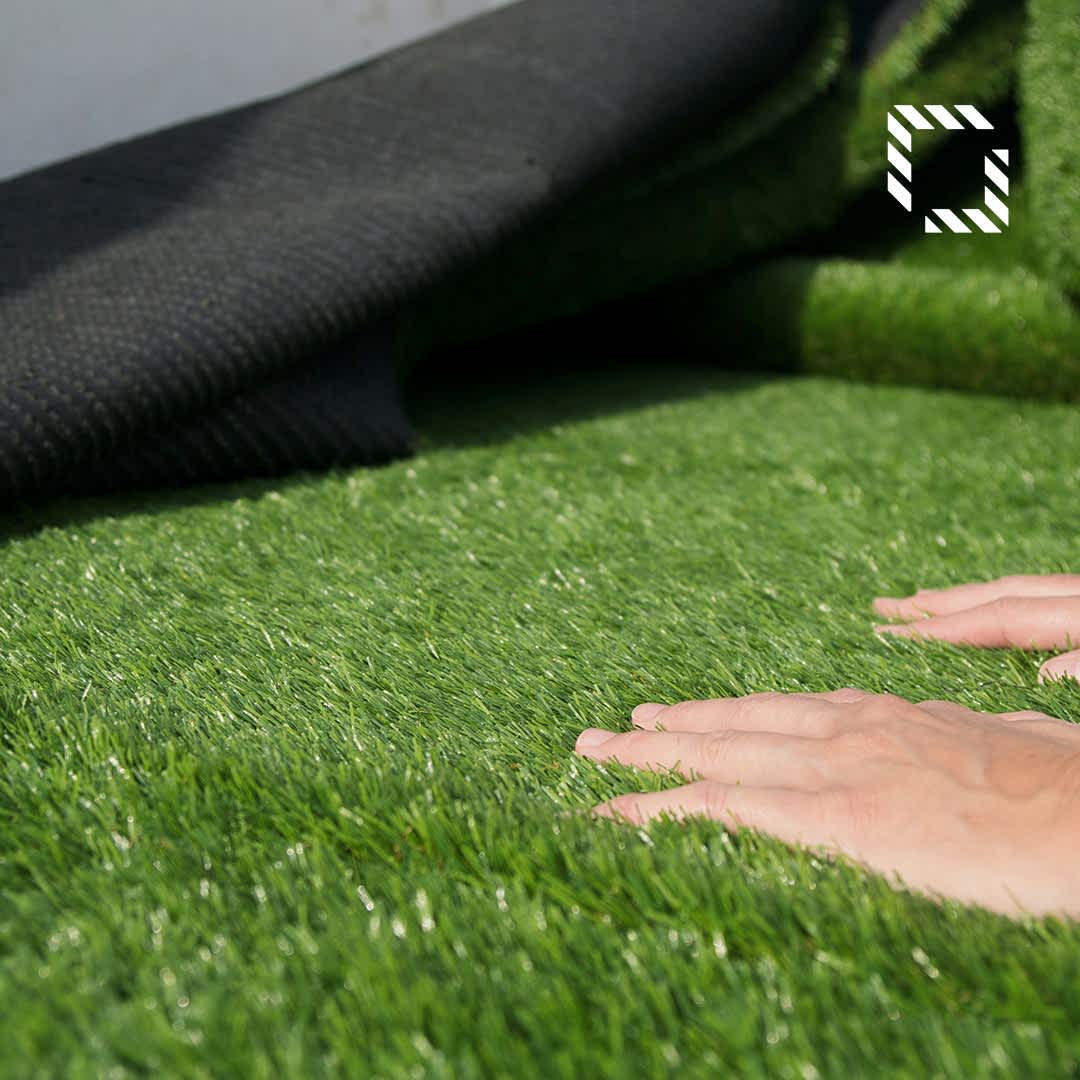
Sloped gardens always look good from afar, but once you start using them, problems appear quickly. Grass wears down unevenly, soil slides after heavy rain, and maintenance becomes harder than expected. Many homeowners begin to search for a cleaner and more reliable solution that does not turn into extra work every season.
At this point, artificial grass usually comes into the picture, especially for areas where natural turf never seems to stay in place for long. If you wonder “Can artificial grass be laid on a slope?”, this article may help.
Why Consider Artificial Grass for Slopes?
How to Install Artificial Grass on a Slope
Step 1: Deal with the Ground Before Anything Else
Step 2: Add a Base That Holds the Surface
Step 3: Lay the Weed Membrane
Step 4: Lay the Grass from Top to Bottom
Step 5: Secure the Grass Firmly
Step 6: Finish and Check the SurfaceWhat Is the Best Grass for Slopes?
FAQ
Why Consider Artificial Grass for Slopes?
Sloped areas tend to expose every weakness of natural grass. Water runs downhill instead of soaking in, roots loosen over time, and bare patches appear faster than expected. Even with regular care, keeping a slope green and even can feel like a constant fight. Artificial grass removes most of these issues by creating a stable surface that does not depend on soil strength or root growth.
Another reason people turn to artificial grass on slopes is day-to-day comfort. Walking on uneven, worn grass never feels secure, especially after rain. A properly installed artificial lawn offers a more consistent footing and keeps the area usable throughout the year. Instead of adjusting your routine around the slope, the slope starts working for you.

How to Install Artificial Grass on a Slope
Installing artificial grass on a slope is less about special techniques and more about preparation and patience.
Step 1: Deal with the ground before anything else
Most problems on sloped installations start long before the grass is even unrolled. If the ground feels loose or uneven, it usually shows later. Clearing old turf and shaping the slope properly takes time, but it saves you from watching the surface shift after the first heavy rain.
Step 2: Add a base that actually holds
On a slope, the base does most of the work. Crushed stone compacted well gives the surface something to sit on and helps water move through instead of dragging soil downhill. It is not the most visible part of the job, but skipping it is where things usually go wrong.
Step 3: Lay the membrane
The weed barrier is one of those steps you only notice if it is missing. Once it is down, it quietly keeps unwanted growth from becoming a problem later, especially in areas you will not want to pull apart again.
Step 4: Let gravity work for you
Rolling the grass from the top of the slope downward feels obvious once you see it done. The turf settles more naturally this way and puts less stress on the seams. Going sideways or bottom-up almost always causes tension you do not want.
Step 5: Fix it tighter than you think
This is where slopes differ from flat gardens. Pins go in closer together, especially near edges. If the grass feels too secure at first, that is usually a good sign. Loose fixing shows itself quickly on angled ground.
Step 6: Walk it, don’t just look at it
Trimming and brushing matter, but the real test is walking across the slope. If it feels firm and steady, the job is done. If something feels off, it usually means fixing needs another look.
What Is the Best Grass for Slopes?
Not every artificial grass product behaves the same way on a slope. The grass needs to hold itself up and stay consistent over time. Within the Ilke Grass range, Bermuda stands out as the most suitable option for sloped areas. Its C-shaped yarn structure helps the fibers return to their original position after being walked on, which makes a real difference on uneven ground. The multi-toned yarns also keep the surface looking natural rather than overly uniform. While more luxurious or ultra-soft products work well in flat gardens or play areas, slopes benefit from balance.
If you are planning to install artificial grass on a sloped area and want guidance on the right product or installation approach, contact Ilke Sport for professional support and tailored solutions.
FAQ
Artificial grass can work well on uneven ground as long as the surface is properly prepared. Leveling, compacting the base, and creating a stable foundation allow the grass to sit evenly and perform as intended over time.
Artificial grass can be installed on a slope when the turf is laid in the right direction and fixed securely. Proper anchoring and a solid sub-base prevent shifting and help the surface stay stable under regular use and weather conditions.
The best grass for a slope is one that keeps its structure and recovers quickly after pressure. Products with supportive yarn shapes, such as C-shaped fibers, perform better on angled surfaces by maintaining their form and appearance.