


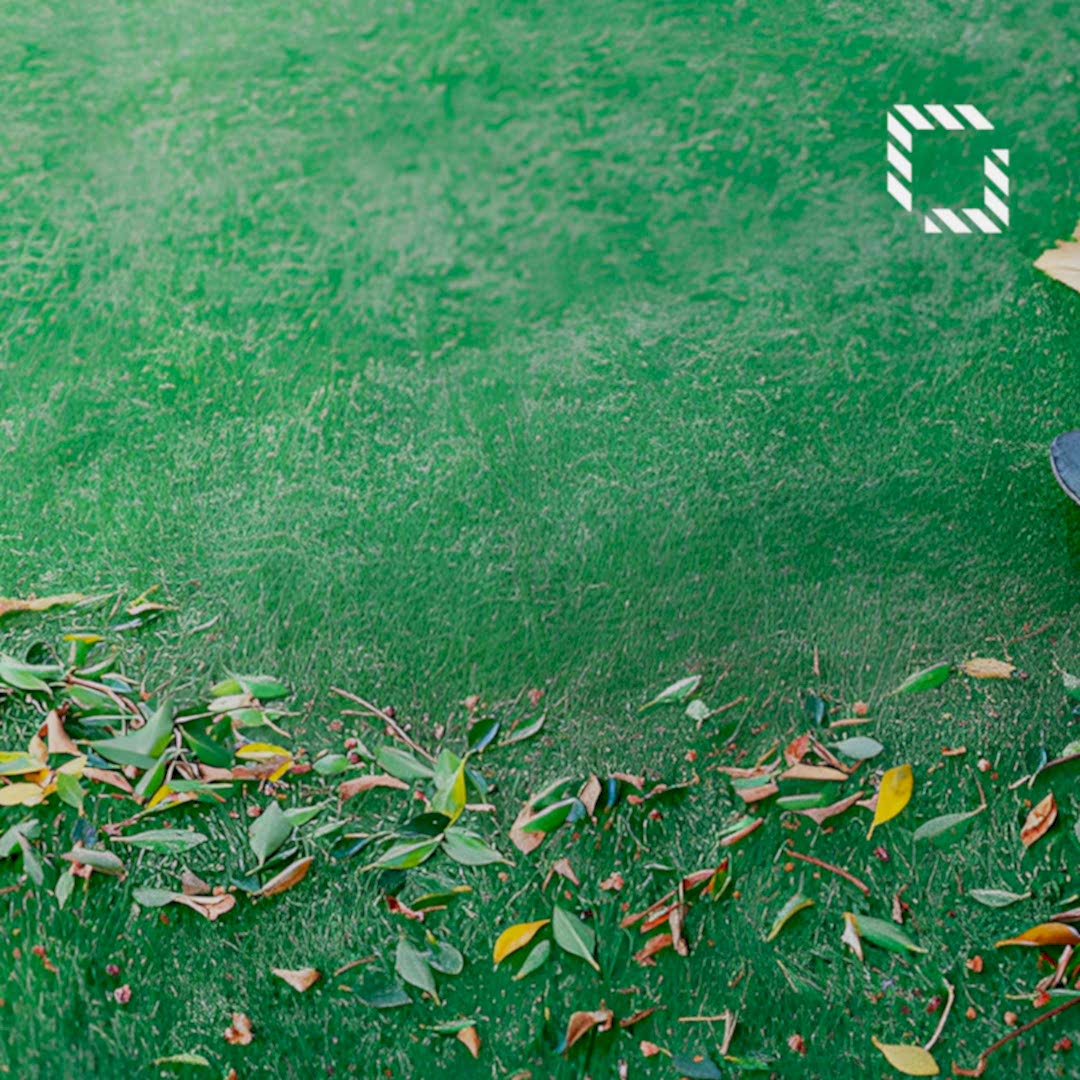
If you’re wondering how to treat weeds in artificial grass, the good news is that artificial grass is far less prone to weed problems than natural lawns. However, no surface is completely immune. Weeds can sometimes find their way through drainage holes, edges, or organic debris that settles on top. Knowing how to prevent, can keep your artificial grass looking clean.
Can Weeds Grow Through Artificial Grass?
How to Prevent Weeds in Artificial Grass
How NOT to Remove Weeds from Artificial Grass
Weed Barrier and Professional Artificial Grass Installation
- FAQs
Can Weeds Grow Through Artificial Grass?
Weeds can grow through artificial grass if the base wasn’t prepared correctly. Most weeds don’t grow up from underneath the turf; instead, they settle on top when organic dust or soil builds up between the fibers. Once a few seeds land there, they can start to sprout.
Edges are another weak point. If the borders weren’t sealed properly, small gaps might allow roots to find their way through. The good news is that these weeds are usually shallow. You can pull them out easily and clean the area. A quick check of your edges once in a while helps you spot potential trouble before it spreads.

How to Prevent Weeds in Artificial Grass
A weed-free lawn is about smart groundwork and consistent care. Here’s what you should do.
Regular Brushing and Cleaning
A simple routine goes a long way. Brush your lawn regularly to remove dust, leaves, and pollen. These small particles are what allow weeds to grow in the first place. Use a stiff broom or plastic rake, and avoid metal tools that could damage the turf. Keeping the surface clean means there’s nowhere for seeds to take root.
Use of Weed Membrane
Before installation, lay down a strong weed membrane. This layer blocks sunlight from reaching the soil underneath and prevents weeds from growing through. At Ilke Sport, we always use high-quality, membranes that last for years without blocking drainage.
Proper Base Preparation
If the base isn’t right, weeds will find a way. The ground needs to be fully cleared of natural grass and compacted with crushed stone or granite dust. This solid foundation stops existing roots from pushing through. Remember, the first step in how to treat weeds in artificial grass is making sure you won’t have to deal with them later.
Edge Sealing and Sand Infill Maintenance
The edges are where most problems start. Make sure your installer seals every seam tightly. Then, maintain a layer of silica sand infill to keep blades upright and reduce gaps where seeds could settle. Think of it as your lawn’s invisible armor.
How NOT to Remove Weeds from Artificial Grass
Some methods sound quick but can ruin your turf. Avoid these at all costs:
- No metal tools. They can tear the backing and leave visible marks.
- No boiling water or flames. Artificial fibers melt easily.
- No strong chemicals. Harsh weedkillers or bleach-based sprays can discolor or weaken the surface.
- No high-pressure jets. Too much force can lift the turf or wash away infill.
If you see a small weed, just pull it out by hand. A light rinse with water and mild soap is enough to clean the spot. Gentle care always wins over aggressive cleaning.
Weed Barrier and Professional Artificial Grass Installation
A weed barrier is a breathable, protective fabric that sits beneath the turf to block weeds while still allowing water to drain naturally. When installed correctly, it’s one of the strongest defenses against unwanted growth. However, not all barriers are created equal. Cheap or thin materials often break down over time and lose their effectiveness.
Ilke Sport uses premium, UV-resistant weed membranes and installs them with precision. From base preparation to edge sealing, every stage is done to perfection. Clients across world choose us because we don’t just install artificial grass. We build long-lasting landscapes that stay effortlessly green. Contact us and start with Ilke Grass.
FAQs
If you notice weeds appearing around the edges of your turf, remove them carefully by hand to avoid damaging the surface.
Weedkiller can be used in moderation, but only gentle, non-toxic types are suitable for artificial turf. Harsh chemical weedkillers can burn the grass fibers, discolor the surface, or weaken the adhesive that holds the turf in place.
Vinegar can help remove small weeds, but it should be used sparingly. Spray it only on the affected spots rather than across the whole surface. After applying, rinse the area with clean water to neutralize the acidity. Overuse can damage infill materials and adhesives.
The most effective weed control method combines several elements: a well-compacted subbase, a durable weed membrane beneath the turf, and carefully sealed edges. This trio prevents light from reaching the soil and stops roots from breaking through.
Artificial grass can stay completely weed-free when installed and maintained correctly. A professional base, tight edging, and regular cleaning prevent seeds from settling or germinating. Even if a few stray weeds appear over time, they are shallow and easy to remove.