


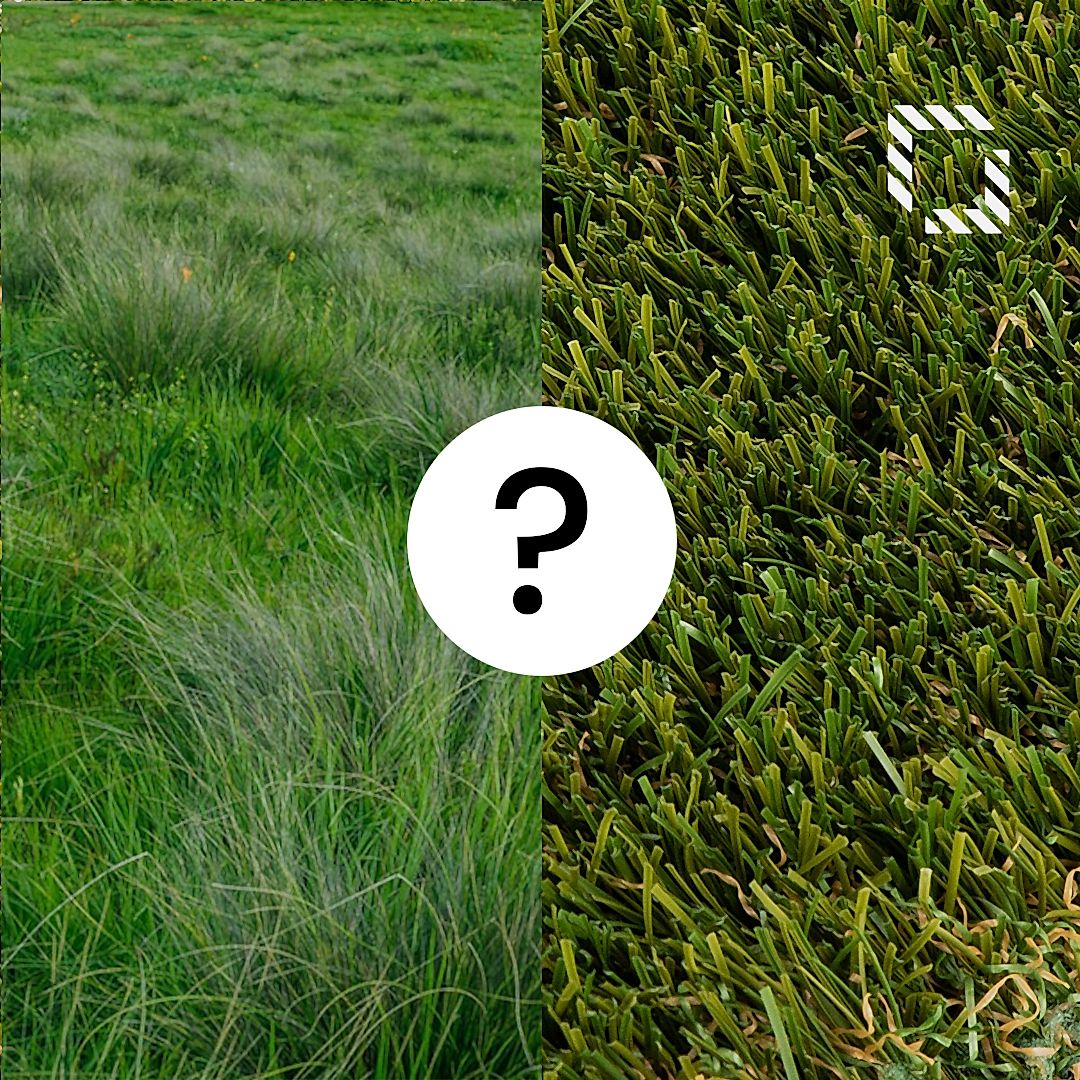
You would often hear that people refer to “turf” and “artificial grass” interchangeably, and in most situations, that is okay. But if you look more carefully, there actually is such a huge difference between turf and artificial grass if you think about production, setup, and use. So how are turf and artificial grass different from each other?
What is Turf?
What is Artificial Grass?
Key Differences Between Turf and Artificial Grass
Turf vs Artificial Grass: Which One is Better?
- FAQs
What is Turf?
Turf is most commonly associated with sports stadiums, and it’s built to endure the abuse of highly used sports. It is resistant, durable, and can take repeated football, soccer, and sport use. The concept of turf started as early as the 1960s when AstroTurf was first installed in sports arenas. It was a giant improvement over what to do for natural grass on heavily used grounds, but it never really felt or looked that natural.
During the early days, AstroTurf resembled a plastic flat sheet with an artificial look. It was not exactly like natural grass in terms of texture and look but served the purpose of being a permanent surface for sport events. With the passage of time, technology developed further and the look of turf also evolved and we now have better and improved versions used today.

What is Artificial Grass?
Artificial grass is designed with beauty and comfort in mind. It’s the homeowners’ and businesses’ first choice for an all-green, healthy-looking lawn all time of the year, without day-to-day maintenance.
When artificial grass came along, it also did not resemble natural grass. But with the passing of time and technologies improving, so did its style. Nowadays, artificial grass is almost indistinguishable from natural grass. It is padded, soft, and made to appear and feel green and fresh regardless of weather conditions.
Key Differences Between Turf and Artificial Grass
Finally, with all the background information out of the way, it’s time to talk about the difference between turf and synthetic grass.
1. Purpose and Usage
Turf is built for performance. Whether it’s a professional sports stadium or a backyard soccer field, turf is designed to handle heavy usage. It’s made for high-intensity environments where performance and durability are the top priorities. On the other hand, artificial grass, suitable for areas where you desire a natural, low-maintenance look. It is ideal for gardens, playgrounds, and your pet zones.
2. Materials and Composition
Both turf and artificial grass are made of synthetic fibers, but the materials and construction can vary. Turf is often made with tougher, short fibers, built to handle the impact of sports. It’s typically filled with a special type of infill like rubber or sand to keep the fibers upright and provide cushioning. Artificial grass, on the other hand, uses longer, softer fibers that resemble natural grass more closely. It also uses infill, but it’s often a mix of sand or silica granules, which gives it a more natural feel underfoot.
3. Appearance
Another difference between turf and artificial grass is their appearance. While both turf and artificial grass can look great, their appearance is quite different. Turf tends to have a more synthetic, even look, often with a duller shade of green. Its primary focus is function, not visual appeal. Artificial grass, comes in a variety of shades of green, and is designed to closely mimic the look of real grass. It has a fuller, softer texture that makes it look inviting, whether it’s in your backyard or a commercial space.
Turf vs Artificial Grass: Which One is Better?
We learned main differences between turf and articial grass. Both of them offer unique advantages depending on your needs. But which one truly comes out on top?
- Cost Savings: Both turf and artificial grass save you money in the long run. No more spending on mowing, watering, or fertilizers, which means lower maintenance costs and reduced water bills.
- Low Maintenance: Once installed, both require minimal upkeep. No more worrying about patches or weeds, and you can enjoy a flawless surface year-round.
- Durability: High-quality turf and artificial grass are designed to last. Whether you’re using it for sports or landscaping, you’ll get years of use without significant wear and tear.
- Environmentally Friendly: Although not biodegradable, both turf and artificial grass are recyclable, offering an eco-friendlier solution than constantly maintaining a natural lawn with water, pesticides, and fertilizers.
So, which one is the better choice? It all comes down to your needs. Turf is ideal for high-performance sports fields, while artificial grass shines in residential and commercial landscaping, offering beauty and convenience. Whether you’re revamping your yard or creating a professional sports surface, understanding the difference between turf and artificial grass helps you choose the right option. With Ilke Sport, you can trust you’re getting premium synthetic grass no matter what you’re planning.
FAQs
Turf and artificial grass serve different purposes. Turf is designed for sports fields and is more durable, with shorter, tougher fibers. Artificial grass is typically used for landscaping and is softer and longer, designed to resemble natural grass.
Turf is mainly used for sports fields, made from tougher, shorter fibers to withstand heavy use. Artificial grass, on the other hand, is used for aesthetic purposes in landscaping, made with softer, longer fibers that mimic real grass.
Artificial grass is generally cheaper to install for residential and landscaping purposes, as it requires less specialized material and labor. Turf, especially for sports fields, tends to be more expensive due to its specific design and durability.